
Understanding dyslexic brains is what sets us apart. Neuralign was built for dyslexics, by dyslexics.
Neuralign is a not for profit educational SaaS (software as a service) development company.
Our mission is to provide high tech, research based learning interventions for individuals with learning disabilities or difficulties in a way that is broadly accessible both logistically and financially.
Neuralign nonprofit is a thought leader and developer of cutting-edge cognitive training and therapy programs, utilizing original and advanced auditory and visual techniques, based on the most advanced principles of neuroscience and neural plasticity. Through years of extensive research and fieldwork, Neuralign nonprofit has acquired an intimate understanding of how to design and deliver revolutionary brain training techniques, to accomplish effective and lasting, life-changing results.
Neuralign nonprofit has created Neuralign, a powerful cognitive training program for people with dyslexia and other reading difficulties, that improves reading by 2 grade levels, often within just a few weeks. Neuralign is delivered online in a growing list of countries and languages, through qualified and exclusive local licensees. In addition, Neuralign nonprofit is developing other unique cognitive training and therapy programs to improve new language acquisition, and is researching applications to assist in the treatment of a number of cognition related challenges, including dementia, stroke, cerebral palsy, and autism.
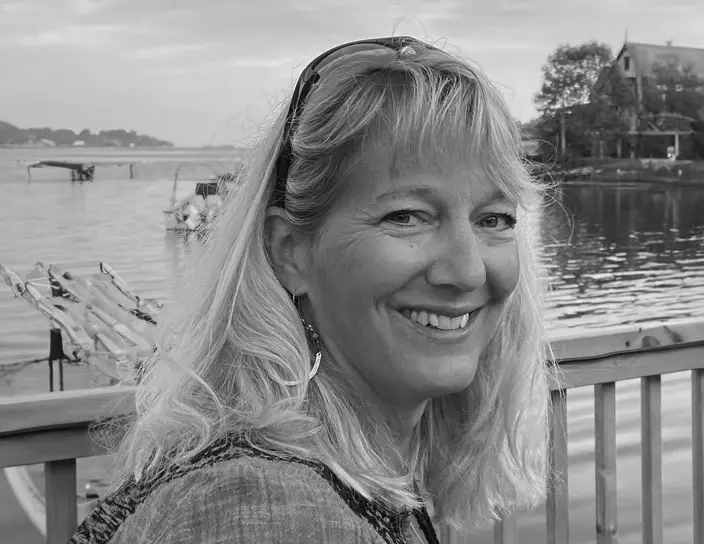
The Personal Story of Neuralign Co-Founder Ingrid Poupart
“The first key to teaching dyslexic learners to read is hope, ” says Ingrid Poupart, the co-founder and heart and soul of Neuralign. As a dyslexic learner herself, Ingrid understands firsthand the everyday obstacles and challenges struggling readers face. Like so many other students with disabilities, Ingrid was never diagnosed nor treated. Instead, she was left to fend for herself in getting through the academic hurdles presented each day at school. “Homework that would take others a half hour to do took me hours, ” she says. Unlike many young students with dyslexia, Ingrid was lucky to realize that she possessed other skills and abilities. She recognized that her dyslexia did not equate to a lack of intelligence.
The seeds of today’s Neuralign were sown when Ingrid’s youngest child was diagnosed with dyslexia. Ingrid then started investigating the causes of reading deficiencies in the brain, and learnt that fluent readers used efficient pathways while struggling readers were using inefficient pathways to do the same task. 25 years, and several certifications later, the Neuralign program was born. Ingrid knew that by building fun and engaging games, children would be less reluctant and more inspired to complete the program, which would work on higher-order thinking skills. She focused on a research based model to help teach the skill of reading to dyslexic and struggling readers, like herself.
Our Team
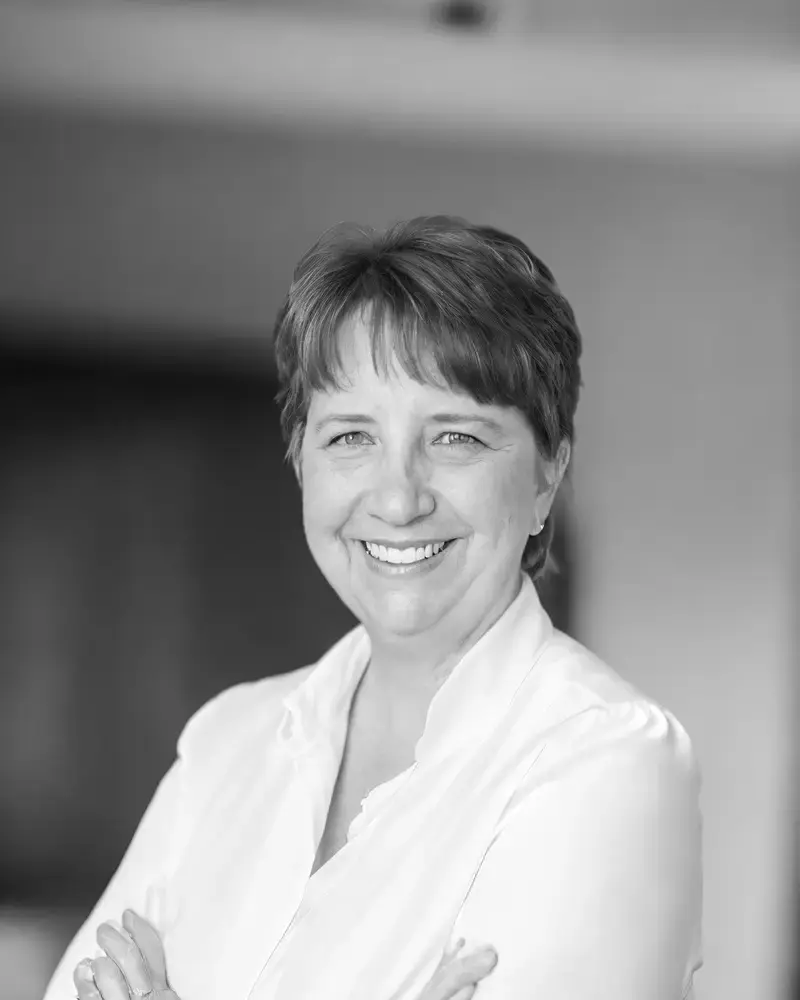
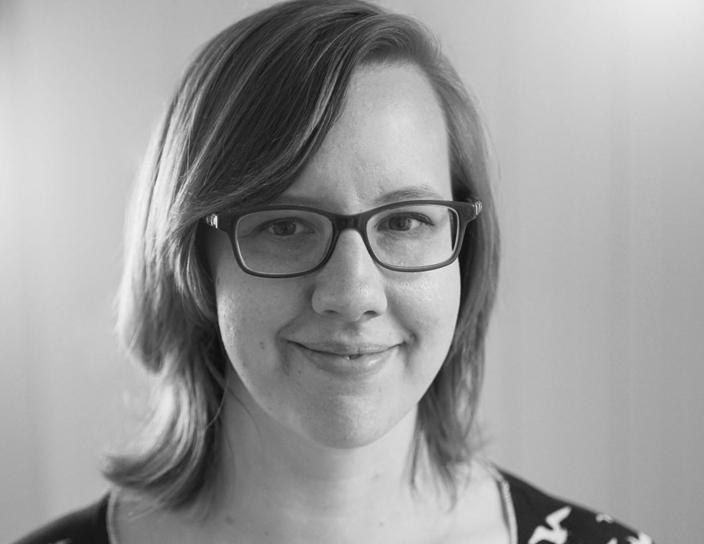
Erika Poupart
Co-founder
Chief Creative Officer (CCO)

Chris Poupart
Co-founder
Chief Technology Officer (CTO)

Mike Andrews
Business Development/Legal

Scott Runte
CEO Ontario Launch Lab/Virtual CFO

Mandi Gosling
Global Ambassador

Felipe Simões
Lead Software Developer

Christian Boutin
Senior Software Developer

Marlon Lima
Software Developer

Matheus Costa
Software Developer

Ana Beatriz Simões
Quality Technician
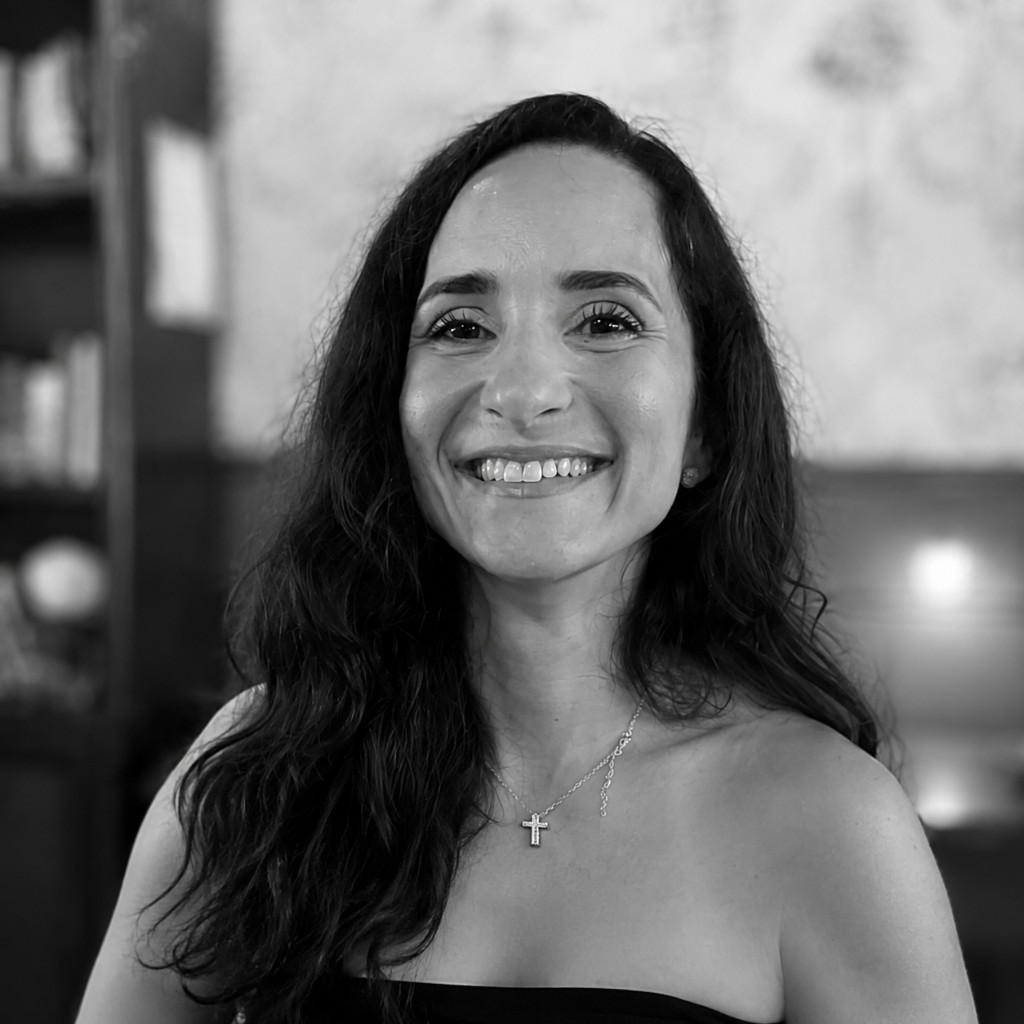
Musa Magalhães
Customer Success Manager
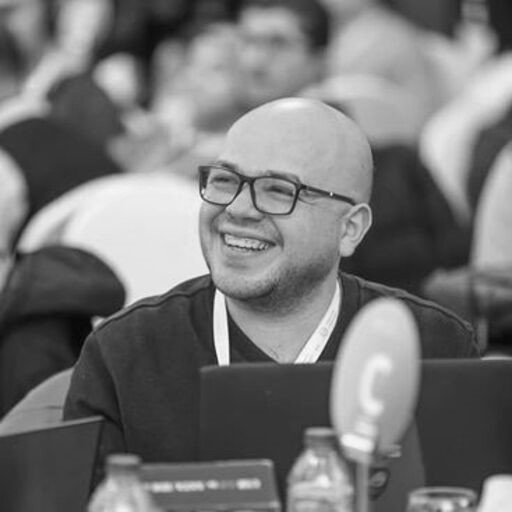
Mohammad Abdulrazik Ahmmad Abdulbary
Localization QA

Patricia Czarnowske
Executive Administrator
Advisory Board

Rina Gupta
Ph.D., C. Psych

Maude Le Roux
OTR/L

Dr. Lindy Ledohowski
RBCx
VP Relationship Management, RBCx
Martha Runte
B.Ed., BA (Hons.)