
Neuralign quickly and efficiently builds the foundational neural network required for reading.
Neuralign is an engaging, interactive program, and students see noticeable results in as little as 15 hours. Neuralign will help you help your students achieve success in reading, build confidence and reduce anxiety.
Neuralign can Help, When Nothing Else Has.
1. Do Neuralign at home.

2. See results quickly.

3. Achieve your goals.

Neuralign is a cognitive therapy program that lights up the neural reading network of your brain, building reliable and effective reading pathways. Many Neuralign users start to see results after the first few sessions. Neuralign can be completed on your own schedule, in the privacy and comfort of your home.
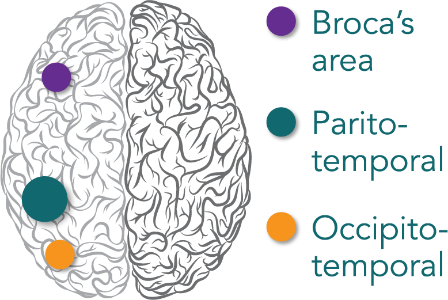
Typical Brain:
Dyslexic Brain:
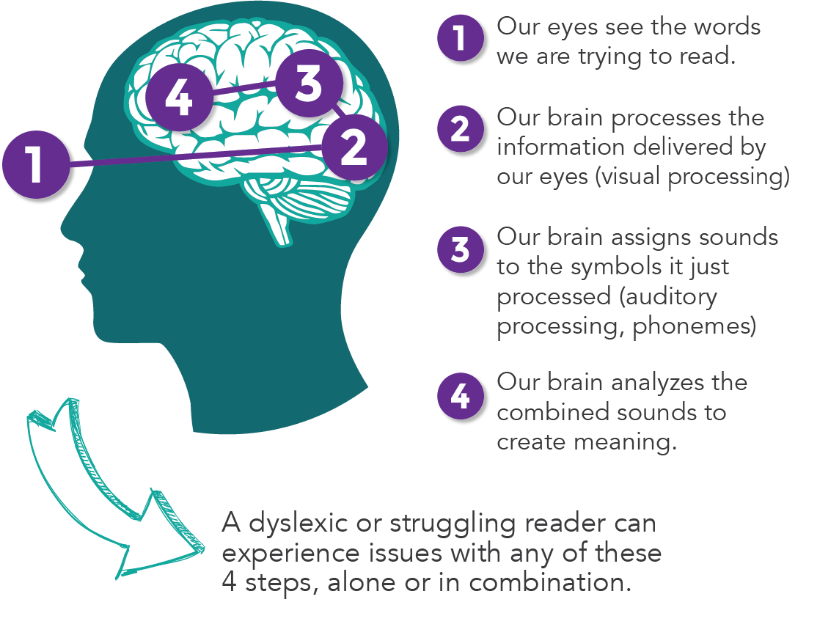
Typical Brain: Typical readers use the left side of their brain, which is generally associated with language, to process reading. Visual processing, auditory processing (phonemes) and decoding all happen in a matter of milliseconds thanks to a highly efficient neural network.
Dyslexic Brain: Dyslexic readers rely more heavily on the right side of their brain, which is generally associated with spatial activities. The information travels farther and in a less organised manner, which can lead to information loss, mix-up and slower processing.
Neuralign has 3 powerful components, and 5 difficulty levels for all abilities.
1. Cognitive Therapy
1 hour / 3 x per week / 5 weeks
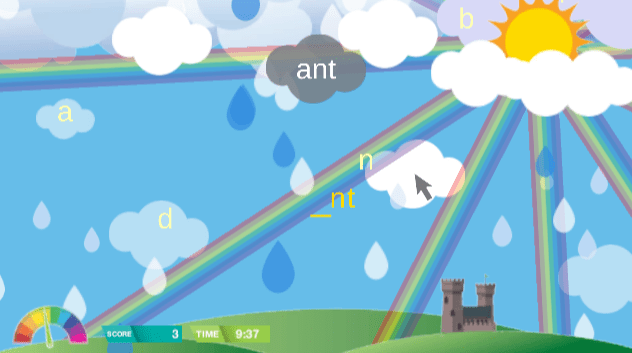
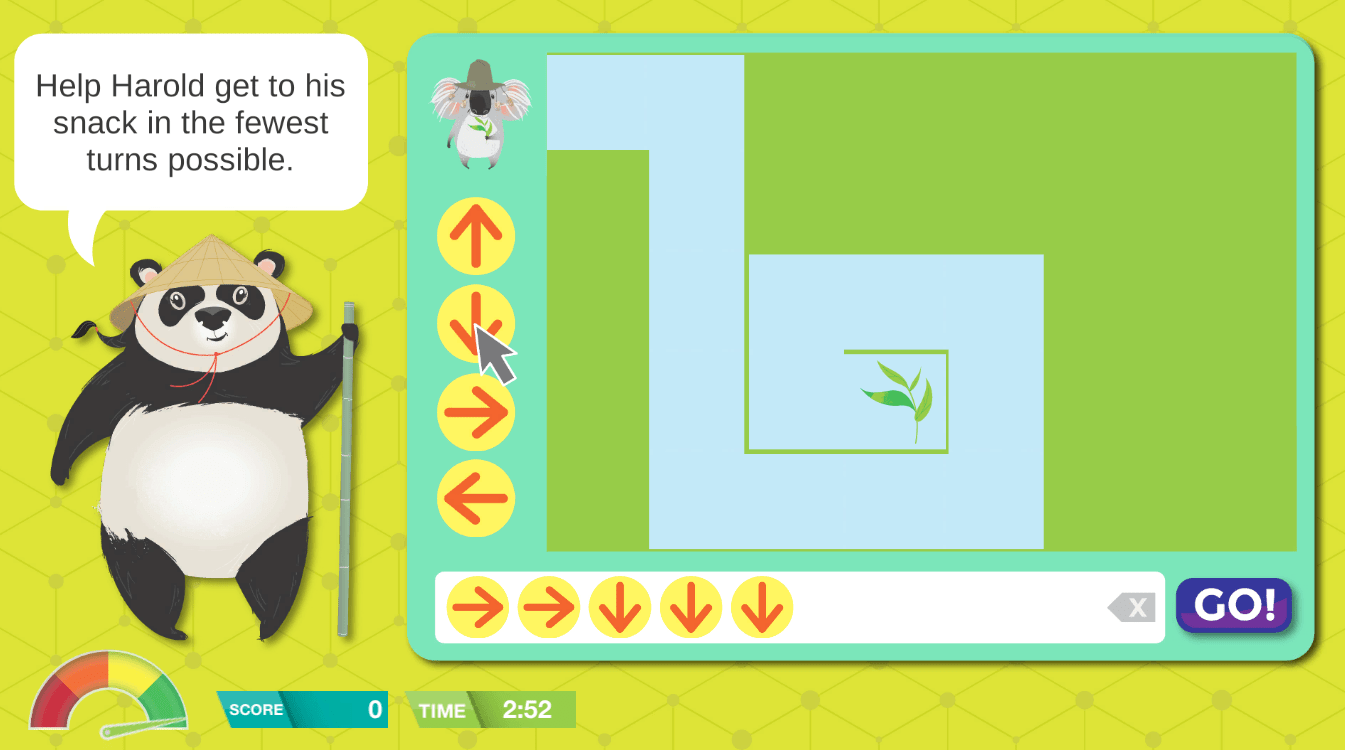
15 hours of cognitive games that target auditory and visual processing pathways, working memory and executive function.
2. Speed Reading
1 minute / 5 x week / 10 weeks
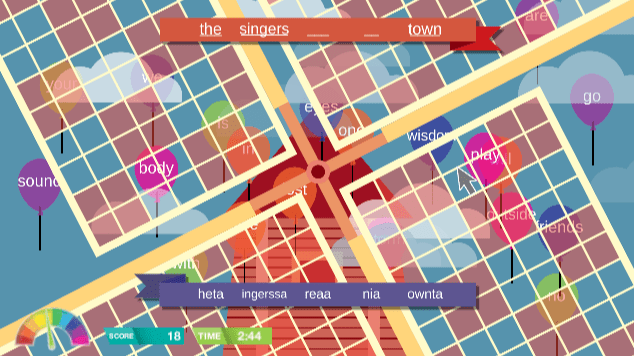
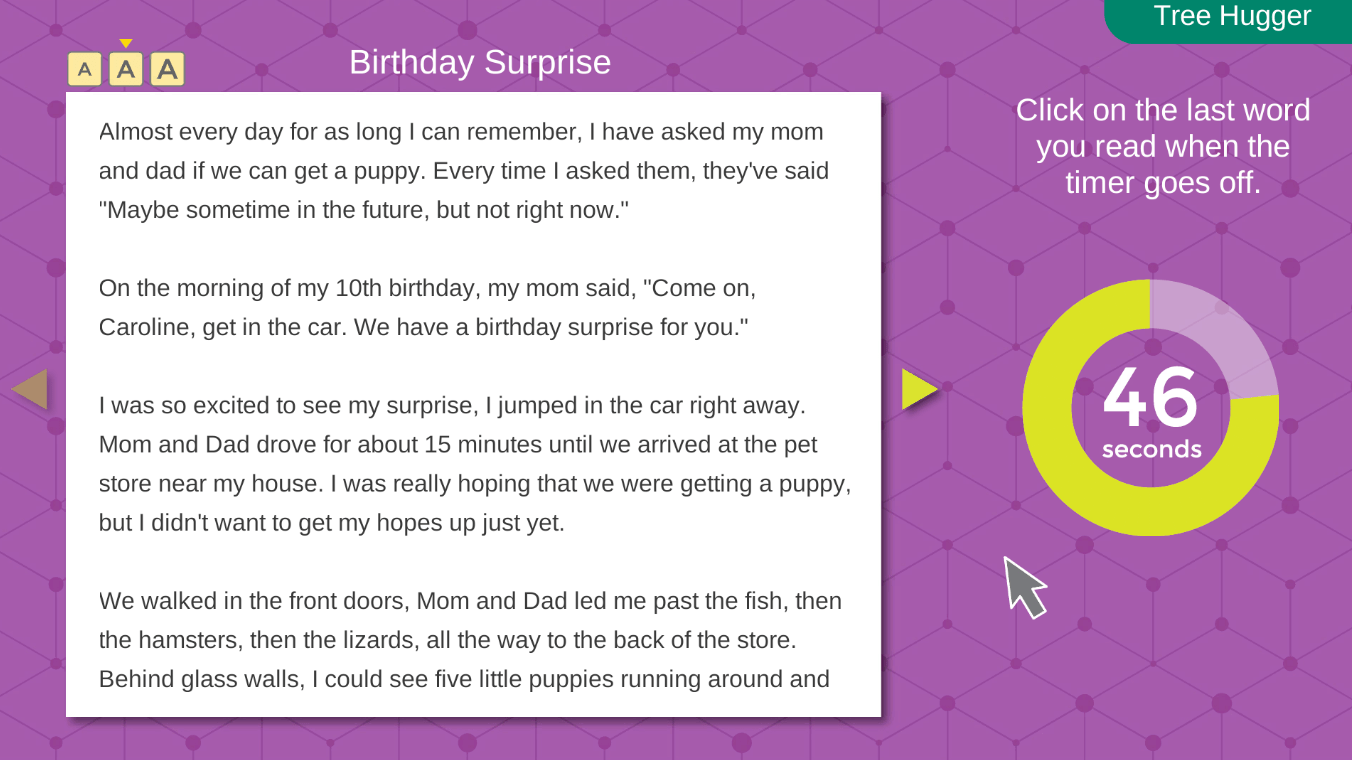
Re-enforce your reading network and keep track of your day to day improvement. Speed Reading is quick, easy and rewarding.
3. Reading Exercises
20 minutes / 5 x week / 10 weeks
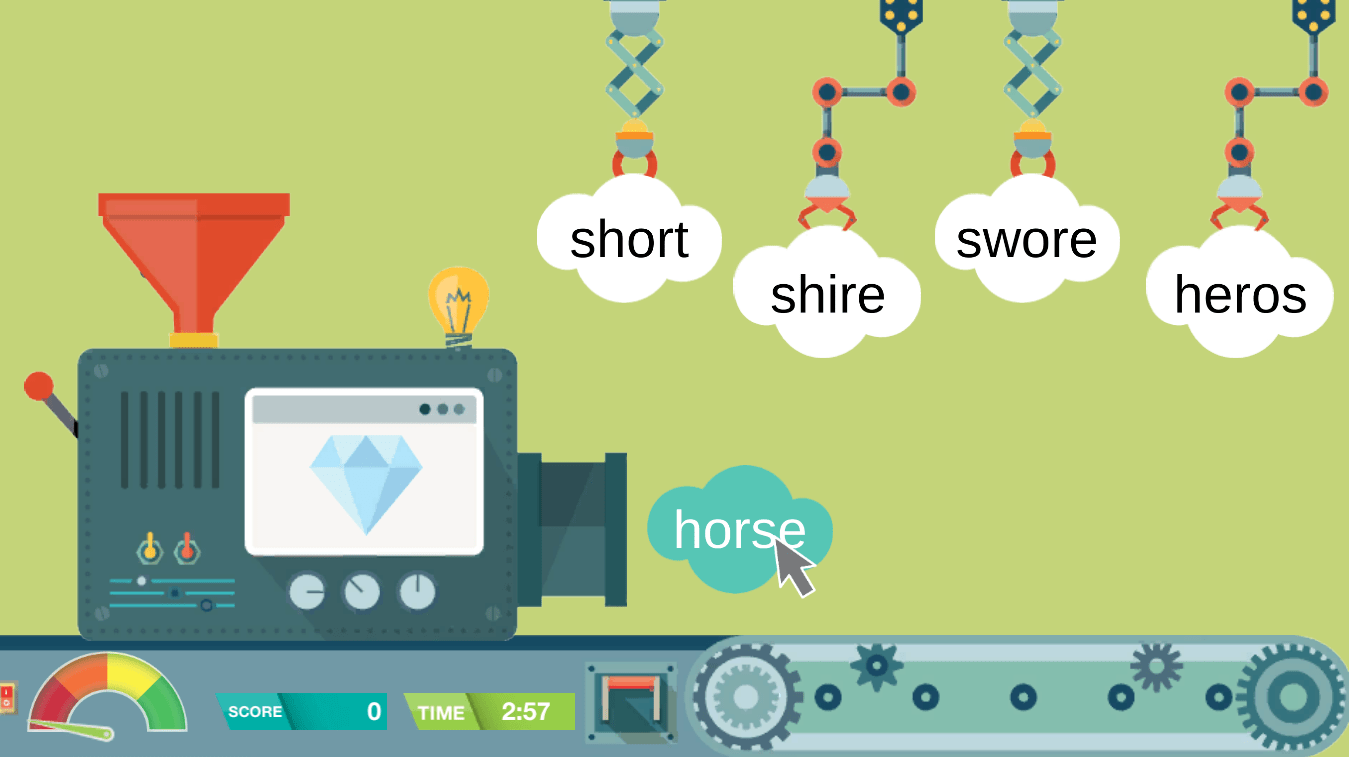
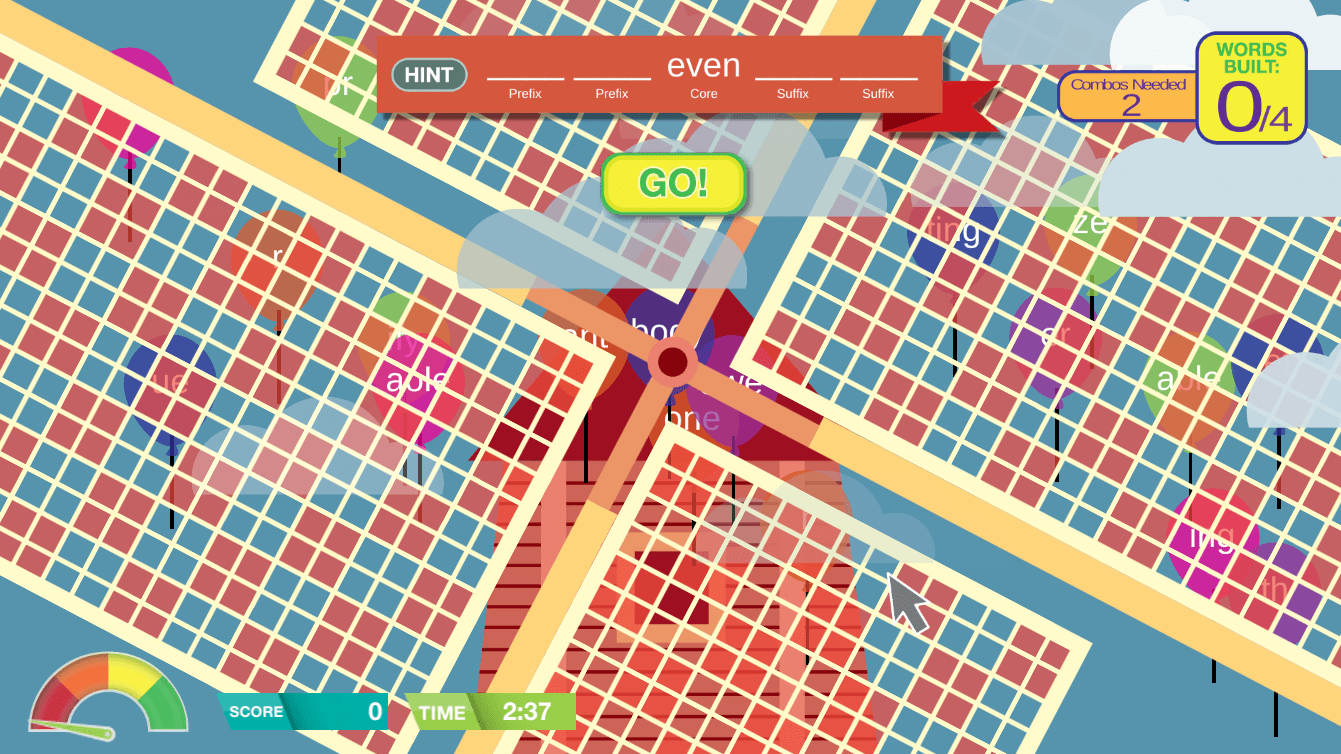
Build up your reading comprehension and play games that target word construction, memory, and spacial awareness.
Thanks to advancements in research, we now know more than ever about what is required of our brains and bodies in order to master the skill of reading.
Thanks to advancements in technology, we now have the ability to deliver the most comprehensive research based learning interventions all around the world.

Targets:
Auditory Processing
Auditory processing refers to the way the brain recognizes and interprets sounds, especially speech. Issues with auditory processing can cause problems recognising slight differences between sounds in words, even when the sounds are loud and clear enough to be heard. (1). People with auditory processing issues may find it hard to isolate the sounds in words, match sounds to letters or blend sounds into words.Visual Processing
Visual processing and visual attention refers to the number of distinct visual elements (such as letters) that can be simultaneously processed in a multi-element array (such as on a page of text). (2) Studies show that visual attention span capacities account for a substantial amount of unique variance in reading. (3)Ocular Motor Control
The ability of both eyes to work smoothly and efficiently when tracking a moving object or looking from place to place. (4) The motor neurons controlling the muscles have to coordinate to produce desired eye movements. (5) The inability to do this effectively can lead to difficulties with reading, such as loss of place, skipping lines, skipping words and lack of fluency and speed. (4)Visual Closure
The ability to identify a whole form or object from an incomplete outline or representation, or the ability to use visual clues in order to identify or recognise a symbol or object, when it is not visible in its entirety. It helps us to quickly process the information we receive from our surroundings, owing to the fact that our visual processing system does not need to analyze every single detail in order to be able to recognise what we see. (10)Executive Function
Executive function (EF) is an umbrella term that encompasses the set of higher- order processes (such as inhibitory control, working memory, and attentional flexibility) that govern goal-directed action and adaptive responses to novel, complex, or ambiguous situations. (9) Executive function is responsible for: paying attention, organising, planning and prioritising, starting and completing tasks, understanding different points of view, regulating emotions and self- monitoring. (8)Working Memory
Also referred to as short-term memory, it is comprised of 3 key parts: the Central Executive (sends data to the subsystems), the Visuospatial Sketchpad or inner eye (stores and processes information in a visual or spatial form), and the Phonological Loop (deals with spoken and written material). (11) Working memory is a system for temporarily storing and managing the information required to carry out complex cognitive tasks such as learning, reasoning, and comprehension. (12)Decoding and Encoding
“Children are wired for sound, but the print is an optional accessory that must be painstakingly bolted on.” Steven Pinker, (Wolf, 2008, p 19). Literacy is, at its base, the encoding, decoding and understanding of language. (13). Decoding phonemes is the root of reading, and encoding of phonemes is the root of writing.Phonological Awareness
There is strong scientific consensus that emphasizing print-to-sound relationships is critical when learning to read alphabetic languages. (20). Phonological awareness allows us to attend to, discriminate, remember, and manipulate sounds at the sentence, word, syllable, and phoneme (sound) level. (14) Phonological awareness is important as a precursor to decoding. (15)(16)(17)Morphology | Word construction
Morphological awareness is explicitly thinking about the smallest units of meaning in language, which are called morphemes. These units include root words that can stand alone as words, prefixes, suffixes, and bound roots, which are roots that must have a prefix or suffix added to become a word. (22)(23)Timing
With timing, We are able to coordinate our “looking” and “listening” in order to pay attention with both systems simultaneously, while also being able to use the timing between these sensory systems to develop an adequate working memory span for the comprehension of reading. Inner timing between the senses is required in order to truly read with fluidity, rhythm, and automaticity. (18) (25).Visual Sequential Memory
The ability to recall and reproduce a series of visual stimuli, including letters, shapes, numbers, symbols and objects, in a specific sequence. Visual sequential memory is necessary for identifying the ordering of letters in words, and words in sentences. It is part of the visual decoding process in reading and the encoding process in spelling. “The eyes look and the brain sees.” (6)Multi-Sensory
Multi-sensory activities provide needed scaffolding to beginning and struggling readers and include visual, auditory, kinesthetic, and tactile activities to enhance learning and memory. (26)








(6) A Therapy Resource published by Upbility.net VISUAL PERCEPTION SKILLS FOR CHILDREN WITH DYSLEXIA | Visual sequential memory
(10) A Therapy Resource published by Upbility.net VISUAL PERCEPTION SKILLS FOR CHILDREN WITH DYSLEXIA | PART 1:VISUAL CLOSURE
(16) Hill (2016, p.110)
(17) (Adams, 2011)