

The best time to improve your reading is now.
About 1 in 5 people have dyslexia. For adults, there’s an increased chance that it’s undiagnosed.
Adults with dyslexia can have issues with:
- Reading
- Word recall
- Name recall
- Math problems
- Memorization
- Time management
Adults with dyslexia might also:
- Have difficulty focusing or completing tasks
- Avoid reading or writing in front of peers
- Become overwhelmed by filling out long forms
- Miss opportunities due to a fear of failure
- Be a perfectionist
- Learn better visually or hands-on
- Have a low tolerance for stress
- Have low self-esteem
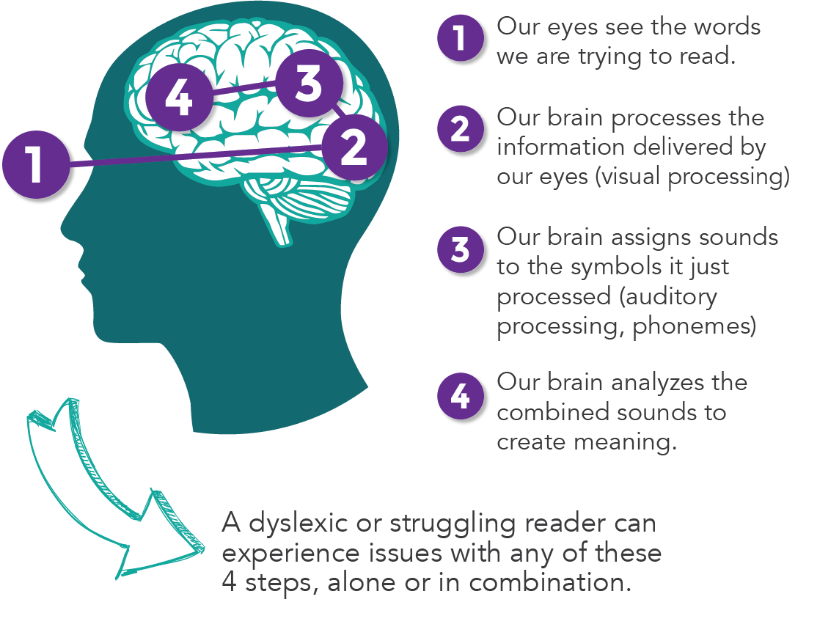
People with dyslexia can be masters at finding coping strategies, and many adults with dyslexia are gifted “out of the box” thinkers because of that. However, often adults with dyslexia feel like they’re not reaching their full potential because of barriers related to their reading or writing issues.
Neuralign can Help, When Nothing Else Has.
1. Do Neuralign at home.

2. See results quickly.
3. Achieve your goals.

Neuralign is a cognitive therapy program that lights up the neural reading network of your brain, building reliable and effective reading pathways. Many Neuralign users start to see results after the first few sessions. Neuralign can be completed on your own schedule, in the privacy and comfort of your home.
Typical Brain:
Dyslexic Brain:
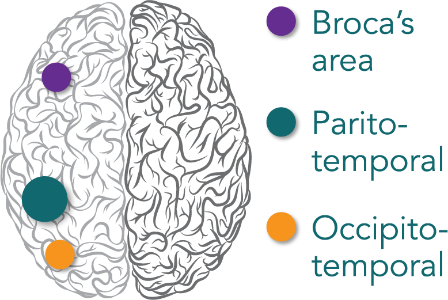
Typical Brain: Typical readers use the left side of their brain, which is generally associated with language, to process reading. Visual processing, auditory processing (phonemes) and decoding all happen in a matter of milliseconds thanks to a highly efficient neural network.
Dyslexic Brain: Dyslexic readers rely more heavily on the right side of their brain, which is generally associated with spatial activities. The information travels farther and in a less organised manner, which can lead to information loss, mix-up and slower processing.
Neuralign has 3 powerful components, and 5 difficulty levels for all abilities.
1. Cognitive Therapy
1 hour / 3 x per week / 5 weeks
15 hours of cognitive games that target auditory and visual processing pathways, working memory and executive function.
2. Speed Reading
1 minute / 5 x week / 10 weeks
Re-enforce your reading network and keep track of your day to day improvement. Speed Reading is quick, easy and rewarding.
3. Reading Exercises
20 minutes / 5 x week / 10 weeks
Build up your reading comprehension and play games that target word construction, memory, and spacial awareness.