

Blog

Dyslexia Awareness Month 2026: What Every Parent Should Know
October is Dyslexia Awareness Month. Here's what every parent should understand about dyslexia, Neuralign founder Ingrid's own story, and a limited-time offer for Canadian families this month only.
ESSA Level 1 Evidence: What It Means for Your Practice
ESSA evidence tiers can be confusing to navigate when vetting interventions for a school or practice. This post explains what ESSA Level 1 certification actually means, how it compares to the other evidence tiers, and why it matters when selecting a reading intervention.

How Neuralign Works: The Science Without the Jargon
Curious what's actually happening during your child's Neuralign sessions? This post breaks down the neuroscience behind the program in plain language, no research background required.

Integrating Reading Screening Into Your Practice This Fall
The start of the school year is the highest-leverage window for identifying reading difficulties. This post outlines how clinicians and educators can integrate root-cause reading screening into their fall workflow, and why ESSA Level 1 evidence matters when choosing a screening approach.

Back to School: How to Advocate for Your Child With Dyslexia
Heading back to school with a child who has dyslexia can bring a familiar knot of worry. Here's a clear, practical guide to advocating for your child this fall — what to ask for, what your rights are, and how to work with your child's school as a partner.

Measuring Progress in Neuroscience-Based Reading Intervention
How do you measure whether a neuroscience-based reading intervention is working? This post explores the data-informed frameworks best suited to tracking outcomes in Neuralign, with a real-world case reference and guidance on integrating progress monitoring into clinical practice.

What the First 6 Weeks of Neuralign Look Like
Wondering what actually happens when your child starts Neuralign? Here's an honest, week-by-week look at the first six weeks of the program — what your child experiences, what parents notice, and what to expect along the way.

ADHD and Reading: Why Attention Isn't Always the Real Problem
Many children with ADHD also struggle with reading — but the reading difficulty is often not about attention at all. Discover the neurological root causes behind reading challenges in children with ADHD and how addressing processing deficits can unlock real progress.

Co-Occurring Dyslexia, ADHD, and ASD: Supporting Complex Learners
Children presenting with co-occurring dyslexia, ADHD, and autism spectrum disorder require interventions that address neurological processing at the root level. This article examines the overlapping profile of complex learners and the evidence for a neurologically grounded approach to reading intervention.

Learning Differences and Mental Health: What Educators Need to Know
Unaddressed reading difficulties frequently manifest as behavioural issues, anxiety, and disengagement in the classroom — yet the connection is routinely missed. This post gives school-based professionals a framework for recognising, responding to, and referring students whose learning differences are taking an emotional toll.

When Reading Feels Like Failure: Supporting Your Child
When reading becomes a source of shame and dread, the emotional toll on children can be just as significant as the learning gap itself. This post offers parents practical, compassionate strategies to protect their child's confidence while they work toward real reading progress.

Neuralign and Conventional Literacy Programs: A Complementary Framework
Neuralign isn't a replacement for Orton-Gillingham, Wilson Reading, or RAVE-O — it's the neurological precursor that makes those programs more effective. A clinical framework for practitioners on sequencing cognitive and structured literacy intervention.

We Tried Everything — So Why Is My Child Still Struggling?
If your child has had tutoring, reading specialists, and structured programs — but still isn't making the progress they should — this post is for you. We explore why so many children hit a wall despite real effort, and introduce the neurological "missing layer" that most reading programs simply aren't designed to address. Warm, practical, and grounded in neuroscience.
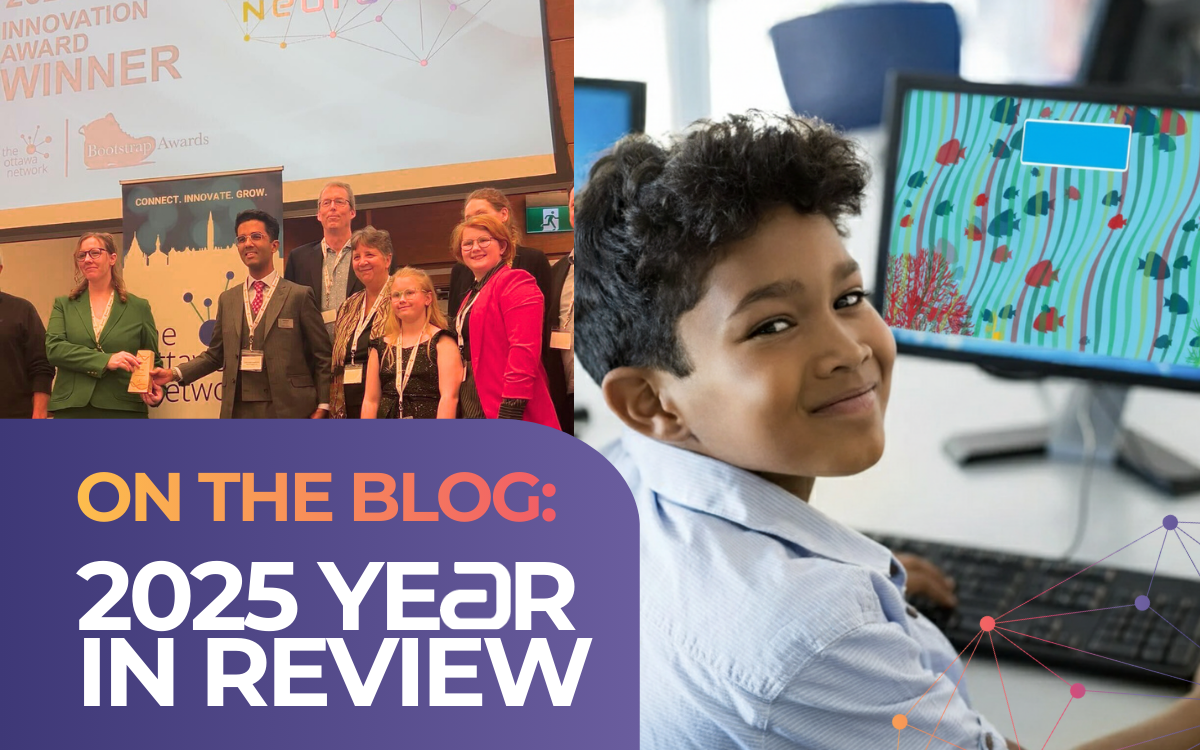
2025 Year in Review: Advancing Literacy Together
2025 was a milestone year for Neuralign, marked by global expansion, meaningful partnerships, program innovation, and measurable impact for learners.

Grade-Level Phonemic Awareness After Weeks of Neuralign
After completing Cognitive Therapy and just four weeks of Speed Reading, Lea reached grade-level phonemic awareness and doubled her French reading fluency—showing how early Neuralign intervention can lead to rapid progress.
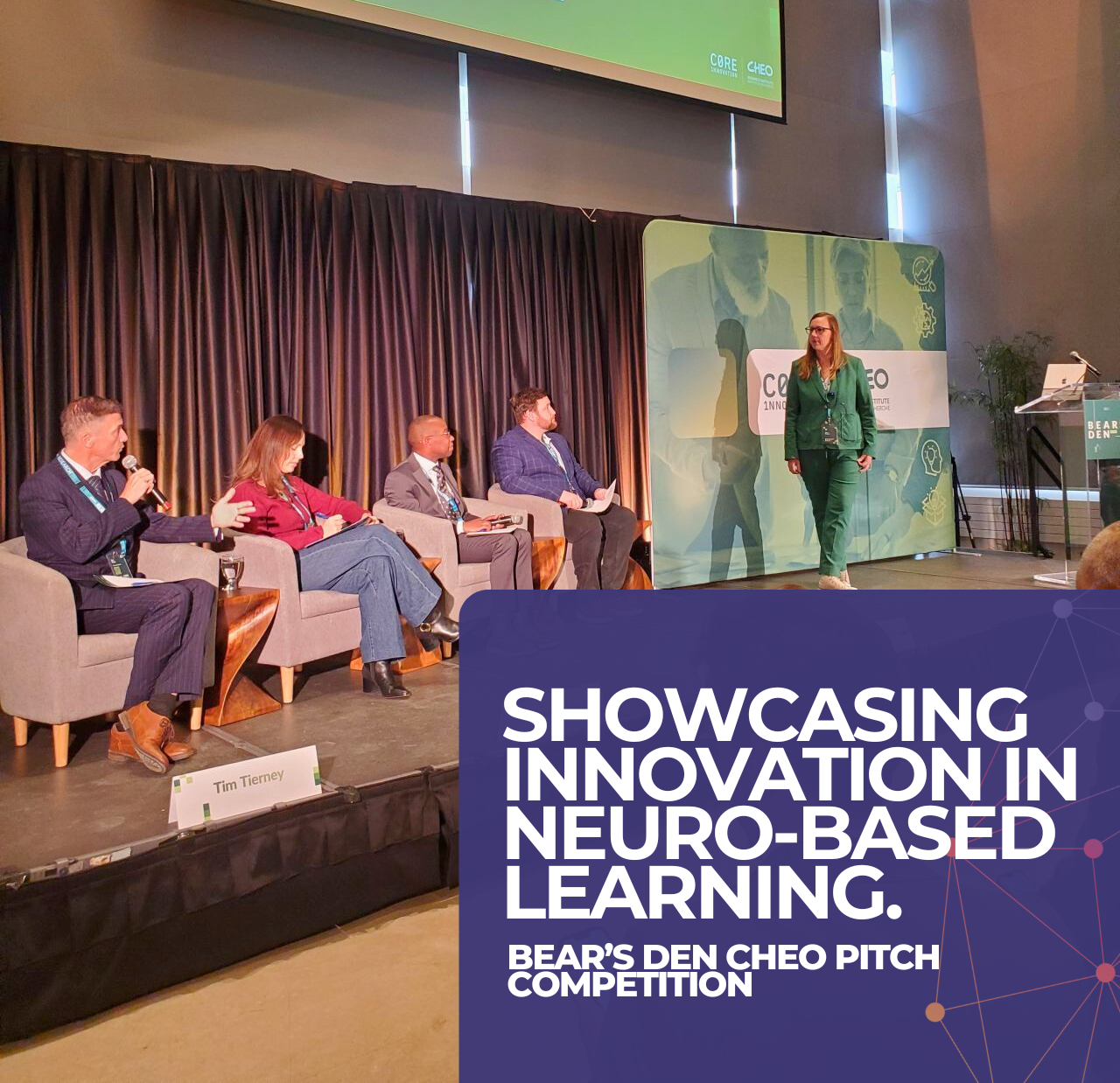
Inside Our Bear’s Den Experience: Neuralign’s Journey as a Finalist
When Neuralign was invited to apply to the CHEO Bear’s Den Innovation Showcase, the team saw an opportunity to raise awareness and share the impact of their work with a wider audience.

Neuralign Welcomes Dr. Thomas D’Amico to Advisory Group
Neuralign is pleased to announce that Dr. Thomas (Tom) D’Amico, former Director of Education for the Ottawa Catholic School Board (OCSB), has joined the organization’s Advisory Group.
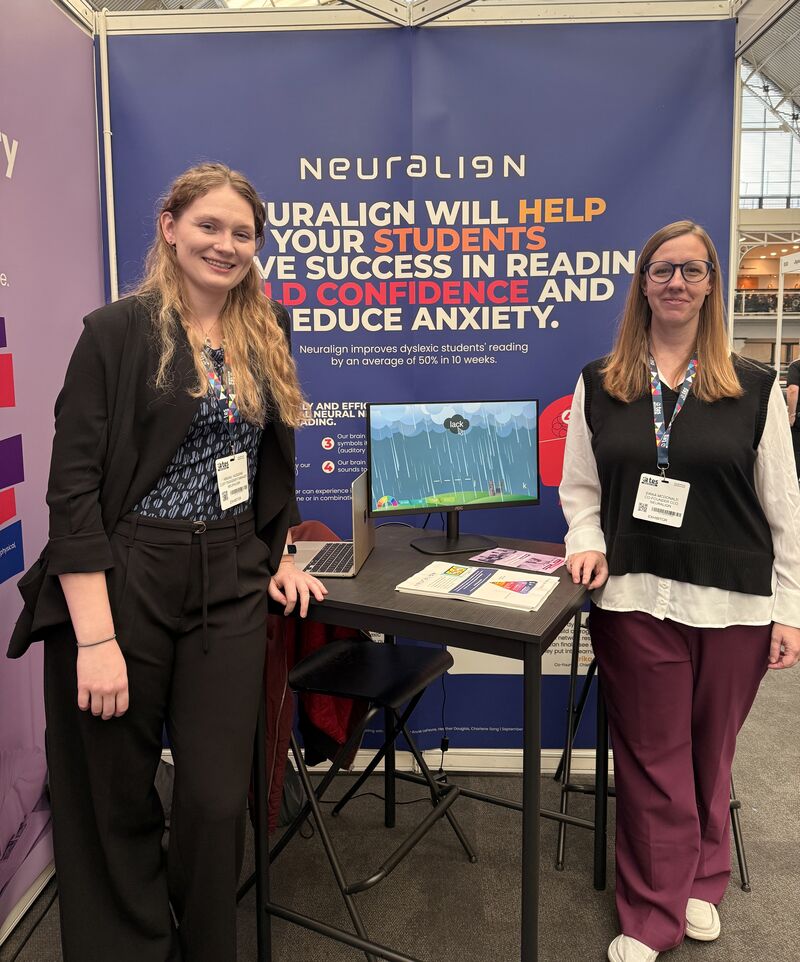
Neuralign UK Launch: Key Takeaways from Educators, Parents, and Students
Neuralign debuts in the UK at the Tes SEND Show, connecting with educators and showcasing how neuroscience transforms literacy.

Building Confidence and Supporting Mental Health: The Hidden Impact of Neuralign
For many children, especially those with learning differences like dyslexia, ADHD, or autism, struggles with reading can deeply affect their self-esteem, motivation, and overall mental well-being.
That’s why one of the most meaningful outcomes we see through Neuralign isn’t just improved literacy—it’s the growth in confidence that often comes alongside it.
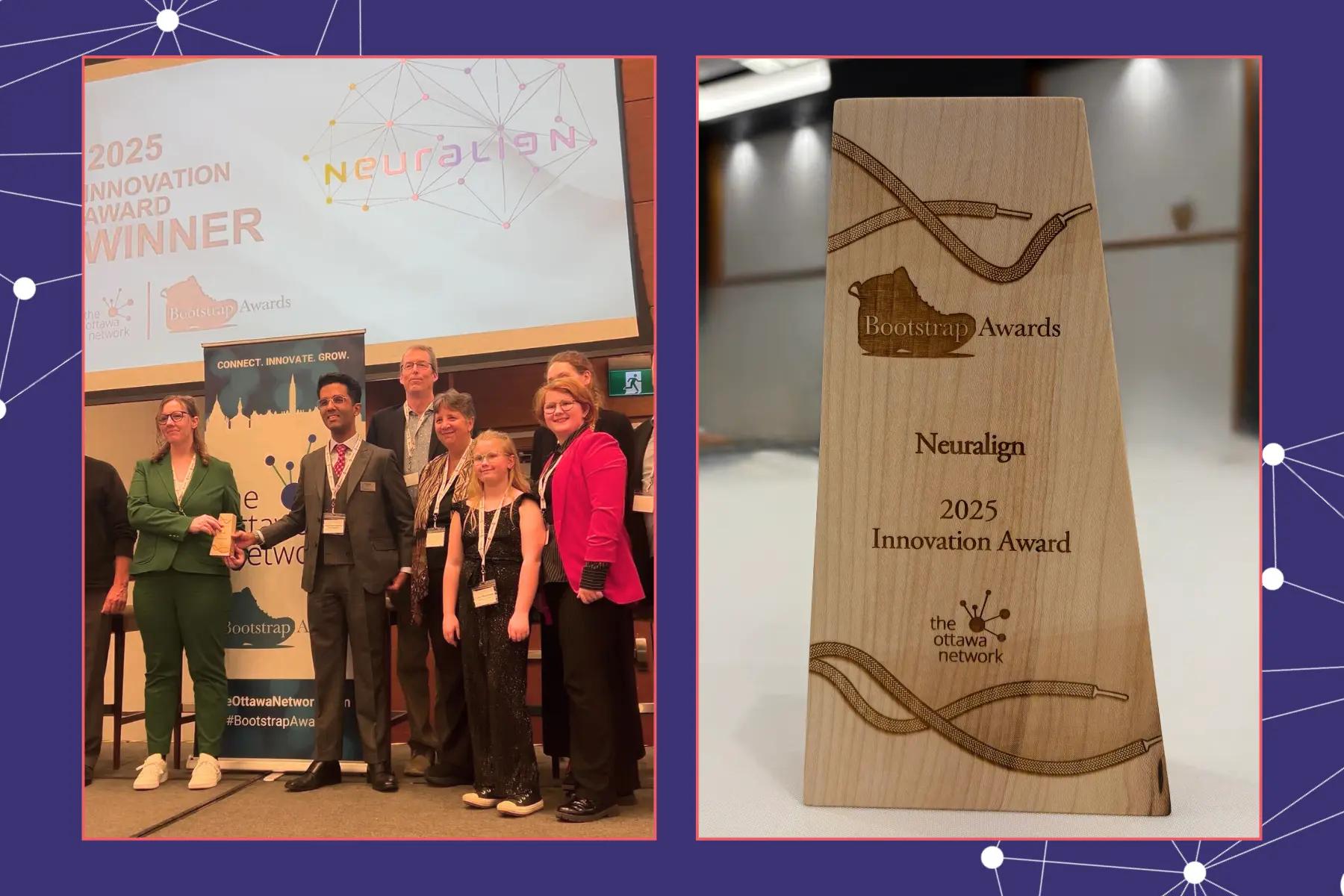
Neuralign Receives 2025 Bootstrap Innovation Award
For us at Neuralign, this honour represents more than an award, it is a celebration of the work being done to transform the lives of neurodivergent learners through accessible, science-based reading intervention.

Targeted Reading Intervention for Students with ADHD & Autism Spectrum Disorder
For students with ADHD and Autism Spectrum Disorder (ASD), traditional learning environments and reading instruction methods can often fall short. At Neuralign, we believe that every learner deserves the opportunity to succeed, and our program is designed to meet students where they are by providing tools and strategies that support their unique learning needs.

Early Signs That Neuralign Is Working: What to Look For
When a child begins the Neuralign program, many parents and educators eagerly anticipate visible progress, but often they don’t realize that signs of success may appear much earlier than expected. Around session five or six, we frequently hear from parents who say, “I’m noticing these little things, but I’m not sure if it’s related to the program.” Spoiler alert: it usually is.

How Neuralign Helps Children with ADHD, Autism, and Other Learning Differences
Every child learns in their own unique way, but for those with ADHD, who are Autistic, or have other learning differences, traditional reading instruction can present significant challenges. Struggles with attention, processing speed, or comprehension can make reading feel frustrating, which in turn affects confidence and academic success. Neuralign provides an innovative, research-backed approach designed to support these learners, helping them strengthen their reading skills in a way that feels natural, engaging, and rewarding.

Reading Resolutions: How Neuralign Helps Kids Achieve New Milestones
As the new year begins, it’s the perfect time to set fresh goals for growth and learning. For families with children struggling to read, this is a chance to refocus and prioritize building stronger literacy skills. Reading resolutions can set the tone for an exciting year of progress, confidence, and newfound joy in learning.
Setting reading goals tailored to your child’s needs can feel daunting, but that’s where Neuralign comes in. Our program is designed to help children achieve milestones in a fun, interactive, and effective way. Whether it’s reading a favorite book independently or tackling challenging homework assignments with confidence, Neuralign provides the tools to make these goals a reality.

Set Your Child Up for Success in the New Year with Neuralign
The holiday season is a time for reflection, celebration, and looking ahead to a brighter future. As we approach the new year, many parents start thinking about how to help their children succeed academically and build the confidence they need to thrive. If reading challenges have been holding your child back, this is the perfect moment to take action—and Neuralign is here to help.

Parent Success Stories: Real Results with Neuralign
Watching a child struggle with reading can be difficult for any parent. You want them to experience the joy of reading and the confidence that comes with academic success, but traditional methods sometimes fall short. That’s where Neuralign comes in—a program designed to target the root causes of reading struggles, helping struggling readers to make real progress.

Dyslexia Awareness Month: How to Support Your Child and Promote Success
October marks Dyslexia Awareness Month, a time to spread awareness, break down misconceptions, and support the millions of children and adults living with dyslexia. Dyslexia, a language-based learning disability, affects reading, writing, and spelling, but it doesn't have to limit a child’s potential. By raising awareness and providing effective tools and strategies, we can empower children with dyslexia to succeed both inside and outside the classroom.
This Dyslexia Awareness Month, let’s explore how you can help your child overcome the challenges of dyslexia and thrive academically and emotionally, with a special focus on how programs like Neuralign can make a difference.

Tips on Dyslexia: How to Help Your Child In and Outside the Classroom
Supporting a child with dyslexia requires a multifaceted approach that addresses both their academic challenges and emotional well-being. Whether in the classroom or at home, there are several strategies you can employ to help your child succeed. Here are some tips on how to provide that support, with a special focus on resources that can make a difference.

Supporting Your Dyslexic Child’s Strengths to Build Their Self-Esteem
Raising a child with dyslexia presents unique challenges, but it also offers a valuable opportunity to recognize and nurture their distinctive strengths. Children with dyslexia often develop remarkable skills and talents that, when supported, can significantly boost their self-esteem. Here's how you can focus on their strengths and help them thrive.

Part 3: Expanding Horizons - The Decision to Rebrand and Reach a Wider Audience
In our third and final part of our blog series spotlight of our founder and Neuralign, we are going to highlight the future of the program, the overall success we’ve had, and final thoughts from Ingrid.

Part 2: The Evolution of Neuralign: From Vision to Reality
In our previous blog, Part 1: Ingrid Poupart's Journey with Dyslexia, we delved deep into Neuralign founder Ingrid's journey with dyslexia and how that led her to create a program to help children with reading difficulties. In this blog, we are going to explain the creation process more and how Neuralign came to be what it is today.

Part 1: Ingrid Poupart's Journey with Dyslexia
The story of Neuralign (previously LS Works) is an inspiring one, but we have realized that we have welcomed many people over the years who might not know how this program came to be and the background of our Founder, Ingrid Poupart.
We are going to take you on a 3-part journey through Ingrid’s own struggles with dyslexia as a child into adulthood, what led her to develop this program, and how it came to be, as well as what Ingrid and her team have in store for the future. Let’s dive in with Part 1: Ingrid’s Journey with Dyslexia.

Recognizing Early Signs of Dyslexia or Reading Difficulties in Children
Reading is a fundamental skill that opens doors to knowledge, creativity, and communication. For most children, learning to read comes naturally, but for some, it can be a challenging journey.
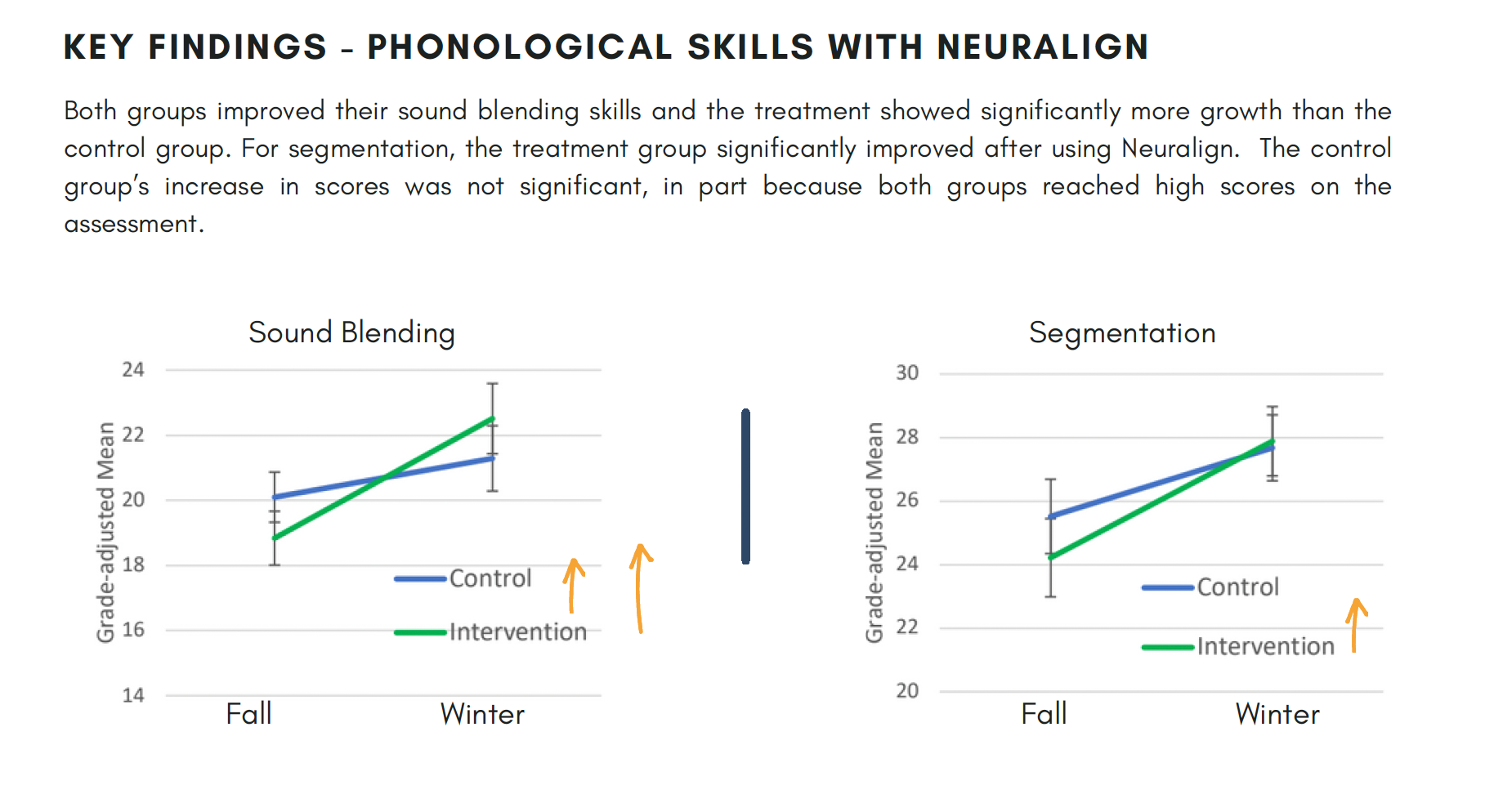
Neuralign ESSA Level 1 Certification
We're so excited to share that Neuralign's research has undergone an independent review process, and received the coveted Level 1 ESSA certification.

A Final Word on Reading (for now!) Reading Comprehension
I have been so very busy with different trainings these past months that I know my blogs have been slow in coming! But I hope to be back on track now as we speak. We already discussed the impact of the different sensory systems on reading as well as the influence of praxis, timing and bilateral integration for interhemispheric organization. All of these would majorly impact on decoding skill, though also on our comprehension of what we read. Learning to decode occurs for a certain period in early school years and has to become an automatic skill. Comprehension skill continues to develop throughout our adult lives.

Reading Difficulties and the Body (Praxis)
In the previous blogs we covered the influence of the senses (auditory and visual), as well as timing on the development of reading. There is one more component to consider in order for us to decode the sound / symbol adequately and efficiently. Timing is one component of praxis (motor planning), though yet another component would be bilateral integration. Bilateral integration would be best described as the ability of the body to use the left and right side of the body in different functions at the same time. A good example would be the ability to hold the paper in one hand, turning it, as the other hand cuts the same paper. But there is more to consider.